Search engine visibility depends on several factors, and links remain one of the most important signals used by search engines to understand credibility and authority. When other websites link to your pages, they send trust signals that help search engines evaluate your content. These links are commonly referred to as backlinks, and they play a central role in modern search strategies.
However, many website owners often ask an important question. Can any link pointing to your site actually harm your ranking? The answer is more nuanced than a simple yes or no. While high quality links strengthen credibility, certain types of links can create problems if they appear unnatural, irrelevant, or manipulative.
Understanding how Inbound Linking works can help you protect your website from ranking issues while building a strong digital presence. This guide explains how inbound links influence SEO, what types of links can cause problems, and how you can maintain a healthy link profile that supports long term growth.
Understanding the Role of Inbound Linking in SEO
Search engines rely on many signals to determine which pages deserve higher rankings. Content quality, user experience, and technical structure all contribute to this evaluation. Links, however, provide an external signal that indicates how other websites perceive your content.
Inbound Linking refers to links from external websites that point toward your pages. These links function as endorsements that suggest your content provides useful or trustworthy information.
When search engines detect multiple relevant backlinks pointing to a website, they interpret this pattern as a sign of authority. As a result, the site may gain stronger visibility in search results.
Yet the quality of links matters far more than the quantity. If your website receives links from irrelevant or suspicious sources, those signals may weaken trust rather than strengthen it. That is why modern SEO strategies focus on building meaningful links instead of simply increasing the number of backlinks.
What Is Inbound Linking?
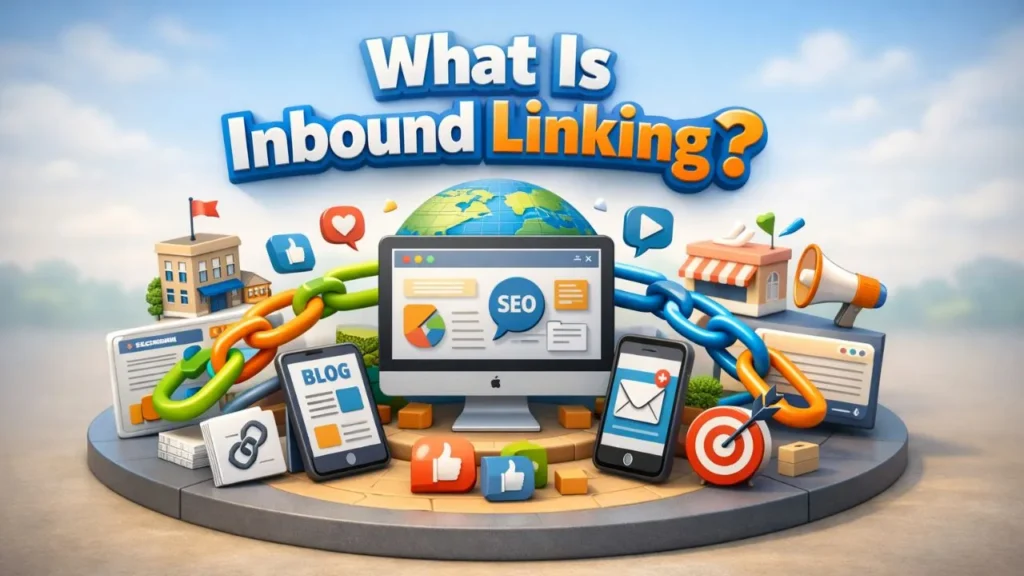
To understand how links affect rankings, it helps to define the concept clearly. Inbound Linking occurs when one website places a hyperlink that directs users to another website. These links act as pathways that connect information across the internet.
For search engines, inbound links provide several important insights:
• They show how websites are connected
• They help identify authoritative sources
• They indicate which pages are referenced by others
Many people use the terms inbound links and backlinks interchangeably. In practice, they describe the same concept. Both refer to external websites linking to your content.
However, the impact of these links depends on several evaluation factors.
Search engines typically examine:
• Domain authority of the linking site
• Relevance between both websites
• Anchor text used in the link
• Placement of the link within content
• Overall trustworthiness of the linking domain
Because of these signals, Inbound Linking continues to play a major role in determining search rankings.
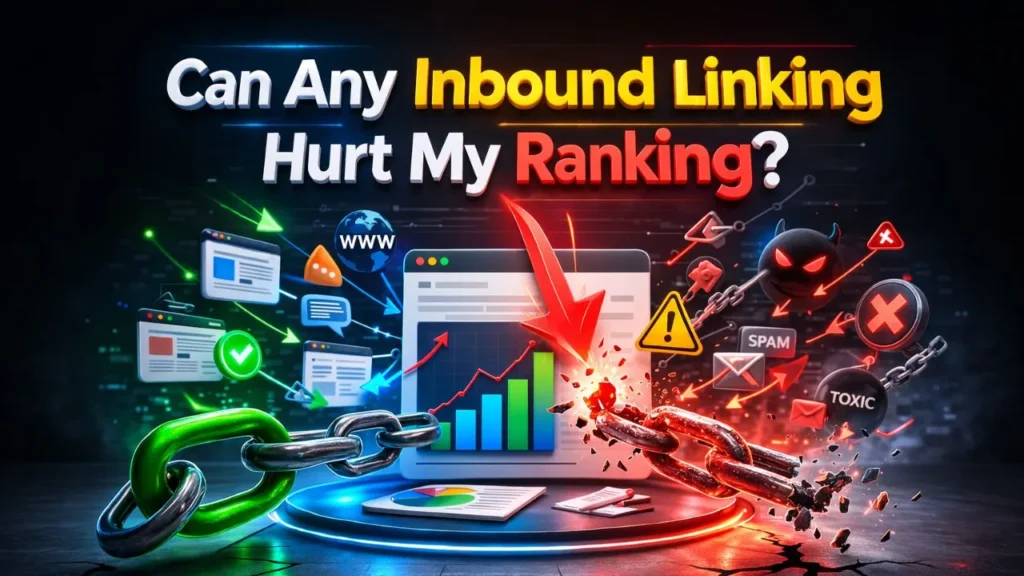
Can Inbound Linking Hurt Your Rankings?
This is one of the most frequently asked questions in search optimization.
The short answer is yes, certain types of links can create problems. If your website accumulates links from spam websites, automated directories, or unrelated sources, those signals may reduce credibility.
Search engines aim to prevent manipulation of rankings. When they detect unnatural link patterns, they may treat those links as suspicious or ignore them entirely.
In extreme situations, poor link practices can trigger penalties that affect rankings.
This does not mean that every low quality link will damage your website. Modern search engines are quite advanced at filtering irrelevant links. Still, maintaining a clean and natural link profile remains important.
If your Inbound Linking pattern appears manipulative or artificial, it may weaken trust signals used in SEO evaluation.
Types of Inbound Links That Can Harm SEO
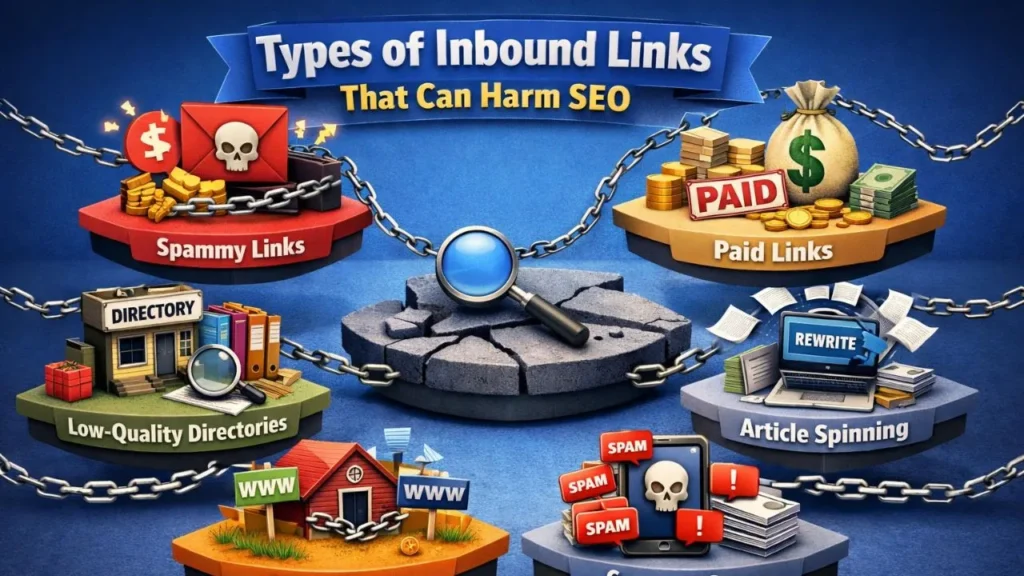
Not all links are beneficial. Some links provide little value and may even create risks. Understanding which links can cause problems helps you build safer strategies.
Spam Directory Links
Years ago, many websites submitted their pages to thousands of directories to gain quick links. Most of these directories provided no real value and existed only for automated Link Building.
Search engines now recognize such patterns easily. Links from low quality directories rarely contribute to strong rankings.
Links from Irrelevant Websites
Relevance plays a major role in link evaluation.
For example, if a website focused on technology suddenly receives many links from unrelated topics such as gambling or unrelated product pages, search engines may question the authenticity of those connections.
Irrelevant Inbound Linking patterns can reduce the credibility of your link profile.
Paid or Manipulated Links
Buying links solely for ranking manipulation violates search engine guidelines.
When links are clearly placed only for Link Building rather than providing value to users, they may be discounted or flagged.
Search engines prioritize editorial links that appear naturally within useful content.
Links from Penalized Websites
If a website has already been penalized for spam activities, links from that domain may carry risk.
Associating with suspicious domains can create indirect credibility issues, especially if many of those links appear suddenly.
Over Optimized Anchor Text
Anchor text refers to the clickable words used in a link.
If too many backlinks use identical keyword phrases, the pattern may appear manipulative. Natural linking patterns usually include varied anchor text rather than repeating the same keywords excessively.
Understanding Negative SEO and Harmful Backlinks
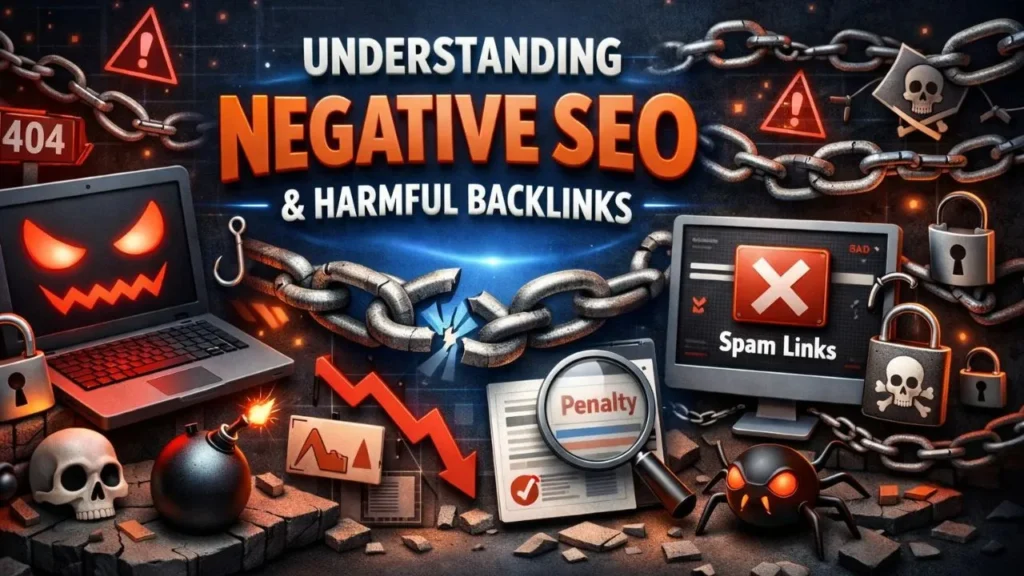
Another concern related to link quality is negative SEO.
Negative SEO refers to tactics used by competitors or malicious actors to harm a website’s rankings. One method involves creating large numbers of spam links pointing toward a target site.
Although search engines try to ignore these links, unusual spikes in suspicious backlinks can still cause concern.
Common signs of negative SEO may include:
• Sudden increase in low quality backlinks
• Links from unrelated foreign domains
• Spam anchor text targeting unrelated keywords
• Rapid changes in link growth patterns
Monitoring your link profile regularly can help you detect unusual patterns early.
Fortunately, search engines have become more effective at recognizing these attacks and preventing them from affecting legitimate websites.
How Search Engines Identify Harmful Links?
Search engines rely on sophisticated algorithms to analyze links. Instead of focusing on simple counts, they evaluate several quality indicators.
Key evaluation signals include:
Domain Authority
Websites with established credibility tend to pass stronger ranking signals. Links from trusted domains carry more weight than links from newly created or low quality sites.
Topical Relevance
Relevance between the linking page and the destination page helps search engines determine whether the link provides useful context.
Content Quality
Links embedded within informative content often appear more natural than links placed randomly.
Link Velocity
Search engines monitor how quickly new links appear. A sudden spike in thousands of links may indicate manipulation.
Artificial Inbound Linking patterns often display unusual growth that differs from organic link development.
Modern algorithms use machine learning to analyze these signals and determine whether links contribute to genuine authority.
Safe Link Building Practices for Long Term SEO
Instead of focusing on quick link gains, sustainable strategies prioritize quality and relevance.
Effective Link Building focuses on creating value that encourages other websites to reference your content naturally.
Some recommended approaches include:
Create Valuable Content
High quality articles, guides, and research naturally attract backlinks. When your content answers important questions, other websites are more likely to reference it.
Encourage Editorial Mentions
Links that appear naturally within articles or industry discussions tend to carry strong authority signals.
Maintain Link Diversity
A natural link profile includes different types of links from various domains, anchor texts, and content formats.
Focus on Relevance
Links from websites within similar industries provide stronger context and trust signals.
By prioritizing relevance and authenticity, your Inbound Linking strategy can support stable SEO growth.
Role of Inbound Linking in Local SEO
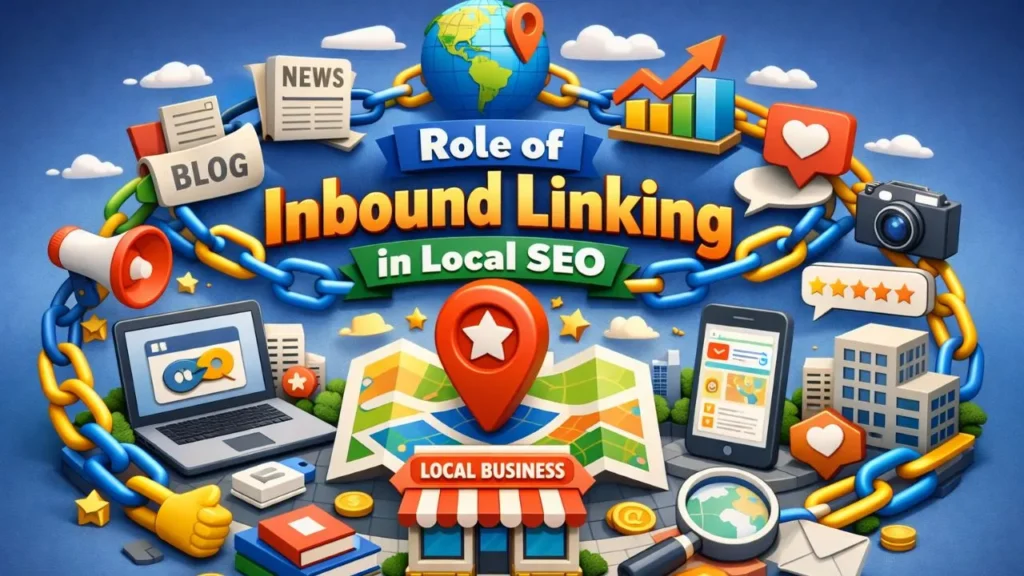
Links are not only important for global visibility. They also influence local search results.
In Local SEO, links from regionally relevant websites help search engines connect your business with specific locations.
Examples of helpful local links may include:
• Community websites
• Local publications
• Industry associations
• Regional directories
These links strengthen geographic relevance signals and improve local visibility.
When businesses build meaningful connections within their local ecosystem, their Inbound Linking profile becomes more aligned with location based search queries.
Inbound Linking and Generative Engine Optimization
Search technology is evolving rapidly. Modern search engines now incorporate AI generated responses that summarize information from multiple sources.
This shift has introduced the concept of Generative Engine Optimization.
Generative systems rely heavily on credibility signals when selecting sources for AI generated summaries. Links play an important role in establishing that credibility.
Strong Inbound Linking signals help AI systems identify authoritative websites worth referencing in automated responses.
In this evolving landscape, maintaining a trustworthy link profile supports both traditional search rankings and emerging AI search environments.
Checking Link Quality with AI Tools
Monitoring backlinks manually can be challenging for growing websites. AI driven tools now help analyze link quality and detect potential risks more efficiently.
An AI Search Readiness Checker can evaluate several important factors:
• Link authority and relevance
• Suspicious backlink patterns
• Anchor text distribution
• Domain trust signals
These tools help website owners identify toxic links early and maintain a healthy link ecosystem.
Regular analysis ensures that your Inbound Linking profile continues supporting your SEO efforts instead of creating hidden issues.
How to Audit Your Backlinks Regularly?
Routine backlink audits help maintain a clean and trustworthy link profile. A typical audit process includes several steps.
Identify All Backlinks
Use analytics or link monitoring tools to gather a complete list of incoming links.
Evaluate Link Quality
Check domain relevance, authority, and content context.
Review Anchor Text Patterns
Ensure anchor texts appear natural and varied.
Monitor Link Growth Trends
Sudden spikes in links may indicate unusual activity or negative SEO attempts.
Remove or Disavow Harmful Links
If certain links appear harmful, you can request removal from the website owner or submit a disavow request through search engine tools.
Regular monitoring ensures your Inbound Linking profile remains aligned with search guidelines.
Conclusion
Links remain one of the most influential ranking signals used by search engines. When other websites reference your content, they help establish authority and trust.
However, not every link provides positive value. Poor quality links, irrelevant sources, or manipulative linking patterns can create credibility issues if they appear unnatural.
By focusing on relevance, authenticity, and balanced link growth, you can build a strong Inbound Linking profile that supports long term SEO, strengthens Local SEO, and aligns with evolving trends such as Generative Engine Optimization.
Regular backlink monitoring and the use of tools like an AI Search Readiness Checker can help you maintain a healthy link ecosystem that protects your rankings while improving search visibility.
When you prioritize quality over quantity, your links become a powerful foundation for sustainable digital growth.
Frequently Asked Questions
Can inbound linking hurt SEO rankings?
Yes. Poor quality Inbound Linking from spam websites or irrelevant domains can weaken trust signals used in SEO evaluation.
What are toxic backlinks?
Toxic backlinks are links from suspicious, low quality, or penalized websites that may negatively affect a website’s credibility.
How can I protect my website from negative SEO?
Regular backlink audits, monitoring sudden link spikes, and using link analysis tools can help detect and mitigate negative SEO attempts.
Does link building still matter in modern SEO?
Yes. Ethical Link Building remains one of the most important signals for establishing authority and improving search visibility.