
Search engine optimization has evolved significantly over the past decade. As search engines refine their algorithms, many tactics that once worked well are now becoming less effective. One major shift in the SEO landscape is how search engines evaluate backlinks. Recently, Google has indicated that it may discount large scale reciprocal links, which means the value of many link exchange strategies is decreasing.
For businesses and marketers, this change is important. Backlinks remain one of the strongest ranking signals, but the way they are acquired matters more than ever. In the past, exchanging reciprocal links was a common practice among website owners trying to improve search visibility. Today, search engines focus more on authenticity, relevance, and trust.
Because of this change, SEO professionals must rethink their link building strategies. Instead of relying on link exchanges, the focus is shifting toward creating high quality content, improving authority signals, and building marketing strategies that help websites naturally earn links. This shift also connects closely with modern approaches such as Performance Marketing and Answer Engine Optimization, which influence how brands gain visibility in search engines and AI driven platforms.
This article explains why search engines now discount many link exchanges, what it means for your SEO strategy, and how you can build a sustainable approach to link building in 2026 and beyond.
Table of Contents
What Are Reciprocal Links?
To understand this shift, it helps to start with the basics. Reciprocal links occur when two websites agree to link to each other. For example, one website places a backlink to another, and the second website returns the favor by linking back.
In earlier years of SEO, reciprocal links were widely used as a method to increase the number of backlinks pointing to a website. Because search engines viewed backlinks as signals of authority, exchanging links seemed like a practical way to improve rankings.
However, not all link exchanges are harmful. Sometimes reciprocal links happen naturally when two websites reference each other because their content is relevant. The issue arises when websites create large networks of reciprocal links solely to manipulate rankings.
Search engines have become increasingly capable of identifying such patterns. As a result, many reciprocal links that appear artificial may now be ignored or discounted in ranking calculations.
Why Reciprocal Links Became Popular in SEO?
Before modern search algorithms became sophisticated, the number of backlinks pointing to a site played a major role in ranking positions. Because of this, many website owners looked for ways to increase link counts quickly.
This environment led to the widespread use of reciprocal links. Website owners would contact other webmasters and request link exchanges. Over time, directories, link exchange communities, and large networks formed around the concept of mutual linking.
For many years, SEO professionals relied on these strategies to improve search visibility. While the tactic sometimes produced short term results, it did not always reflect genuine authority or content quality.
As search engines became more advanced, they started focusing on link quality rather than link quantity. This shift gradually reduced the effectiveness of large scale reciprocal links.
Why Google Now Discounts Reciprocal Links?
Search engines aim to deliver the most helpful and trustworthy information to users. When websites create artificial linking networks, it becomes difficult for algorithms to determine which sites genuinely deserve higher rankings.
Because of this challenge, search engines have improved their ability to analyze link patterns. When they detect excessive reciprocal links, they may choose to ignore those backlinks rather than treat them as strong ranking signals.
Several factors influence this evaluation:
1. Pattern Recognition
Algorithms analyze linking behavior across multiple websites. If two domains exchange links repeatedly across many pages, it may indicate a reciprocal links arrangement rather than natural referencing.
2. Link Relevance
When links appear on unrelated websites, search engines may question their authenticity. Relevant content connections are far more valuable than random exchanges.
3. Link Networks
Large scale systems built specifically for reciprocal links can be identified through link graphs and domain relationships. Once detected, many of those links may be discounted.
These changes do not necessarily mean that every mutual link is harmful. Instead, they highlight the importance of natural linking patterns and genuine content references.
Natural Linking vs Manipulative Link Exchanges
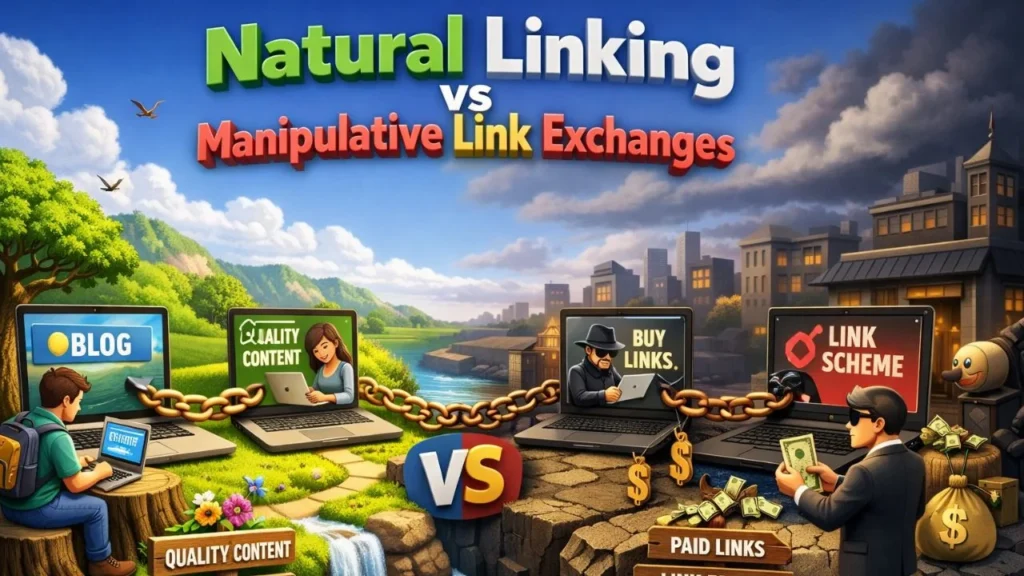
To build an effective SEO strategy, it is important to understand the difference between natural links and manipulative exchanges.
Natural Linking
Natural links occur when one website references another because the content provides useful information. Sometimes the referenced website may later mention the original source. In these cases, reciprocal links happen organically.
Such links are typically:
- Contextual within content
- Relevant to the topic
- Helpful for readers
- Editorially placed
Search engines generally view these links as legitimate.
Manipulative Link Exchanges
Problems arise when websites intentionally create reciprocal links purely to influence search rankings. These arrangements often involve:
- Large link exchange networks
- Automated link swaps
- Directory based link trading
- Irrelevant cross linking between unrelated websites
Search engines are more likely to ignore or discount these types of backlinks.
How Search Engines Detect Reciprocal Link Patterns?
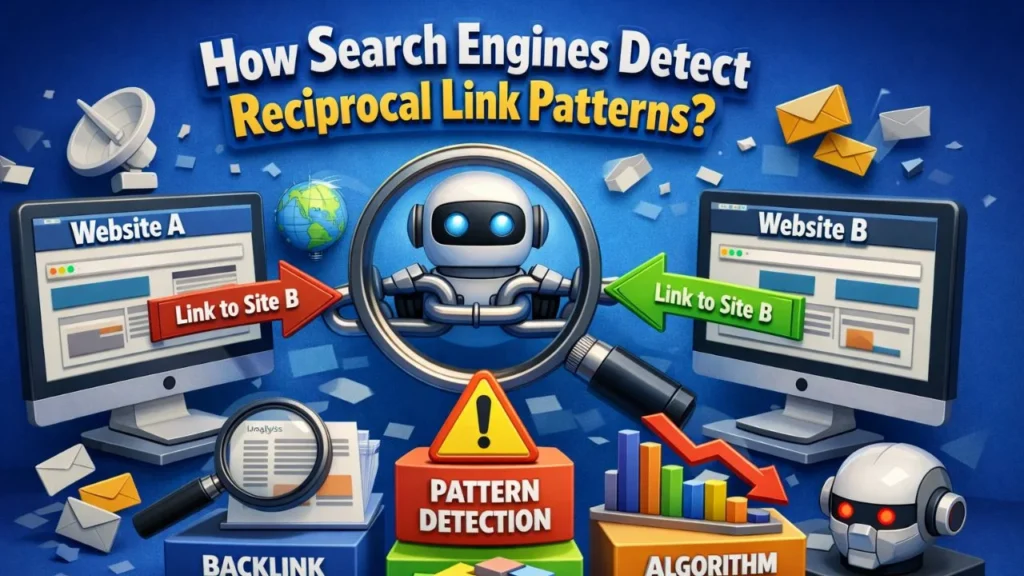
Modern algorithms use advanced methods to identify linking patterns across the web. These technologies allow search engines to determine whether links appear natural or manipulated.
Some of the methods include:
Link Graph Analysis
Search engines map relationships between websites to detect patterns. If many domains are connected through repetitive reciprocal links, it may signal a link scheme.
Anchor Text Patterns
Excessive use of identical anchor text across link exchanges can indicate artificial link building.
Domain Relationships
Algorithms examine how frequently two domains link to each other across multiple pages. If the pattern appears unusual, the links may be discounted.
Because of these factors, SEO professionals must pay close attention to backlink profiles and avoid excessive link exchanges.
Impact on SEO Professionals and Digital Marketers
The shift away from link exchanges represents a significant change in SEO strategy. Marketers can no longer rely heavily on reciprocal links to improve rankings.
Instead, modern SEO focuses on:
- Authority building
- High quality content
- Trust signals
- User experience
For SEO professionals, this means adopting long term strategies that help websites earn links naturally.
Additionally, the integration of Performance Marketing and SEO is becoming more important. When brands increase visibility through multiple channels, they improve their chances of attracting organic mentions and backlinks.
Why Earning Links Is Now the Preferred Strategy?
Rather than exchanging links, successful websites focus on creating value that encourages others to reference their content.
When a website publishes helpful resources, it becomes easier to earn links from bloggers, journalists, and industry websites.
Several factors contribute to this process:
Content Authority
Well researched and informative content attracts attention and encourages others to cite it.
Educational Resources
Guides, tutorials, and insights can help websites earn links because they provide useful information to readers.
Industry Insights
Original perspectives from SEO professionals or subject experts can attract mentions across blogs and publications.
These approaches align with how search engines evaluate credibility and authority.
Modern Link Building Strategies for 2026
As search engines continue evolving, link building strategies must also adapt. Instead of relying on link exchanges, marketers should focus on methods that help them earn links through genuine value.
Content Driven Link Building
Publishing informative and well structured articles increases the chances of attracting natural backlinks.
Digital PR
Sharing insights, research, or industry commentary can help websites gain visibility and earn links from media outlets.
Expert Contributions
Collaborating with SEO professionals and industry specialists can strengthen authority and credibility.
Strategic Partnerships
Partnerships between related businesses can still involve links, but they should focus on relevance rather than simple link swapping.
Role of Answer Engine Optimization
Search behavior is changing as users increasingly rely on AI powered assistants and conversational search interfaces. This shift has led to the rise of Answer Engine Optimization.
Instead of focusing only on keywords, Answer Engine Optimization prioritizes clear, structured responses that address user questions directly.
When content provides helpful answers, it becomes more likely to appear in featured snippets, knowledge panels, and AI generated summaries. This visibility can help websites earn links because other publishers often reference authoritative sources that answer common questions effectively.
How Performance Marketing Supports SEO Authority?
Another important factor in modern SEO strategies is Performance Marketing. While SEO focuses on organic visibility, Performance Marketing campaigns can amplify brand awareness across multiple channels.
When a brand becomes more visible through advertising, social platforms, or marketing campaigns, more people discover its content. Increased visibility often leads to organic mentions and backlinks.
This synergy between Performance Marketing and SEO helps businesses strengthen their authority and earn links from credible sources.
Voice Search and the Future of Link Authority
Voice search continues to influence how users interact with search engines. Instead of typing short phrases, users now ask full questions using conversational language.
To adapt to this trend, content must be structured in a way that clearly answers user queries. This approach supports both voice search optimization and Answer Engine Optimization.
When a website consistently provides helpful answers, search engines are more likely to consider it a trusted source. As a result, other websites may reference it as well, allowing the site to naturally earn links.
Best Practices for Safe Link Building
To maintain a strong SEO strategy in the current environment, it is important to follow responsible link building practices.
Here are some key recommendations:
- Focus on publishing valuable and informative content
- Avoid large scale reciprocal links arrangements
- Build relationships within your industry
- Work with experienced SEO professionals to monitor backlink quality
- Create resources that encourage others to earn links naturally
By prioritizing quality over quantity, websites can build sustainable authority.
Common Link Building Mistakes to Avoid
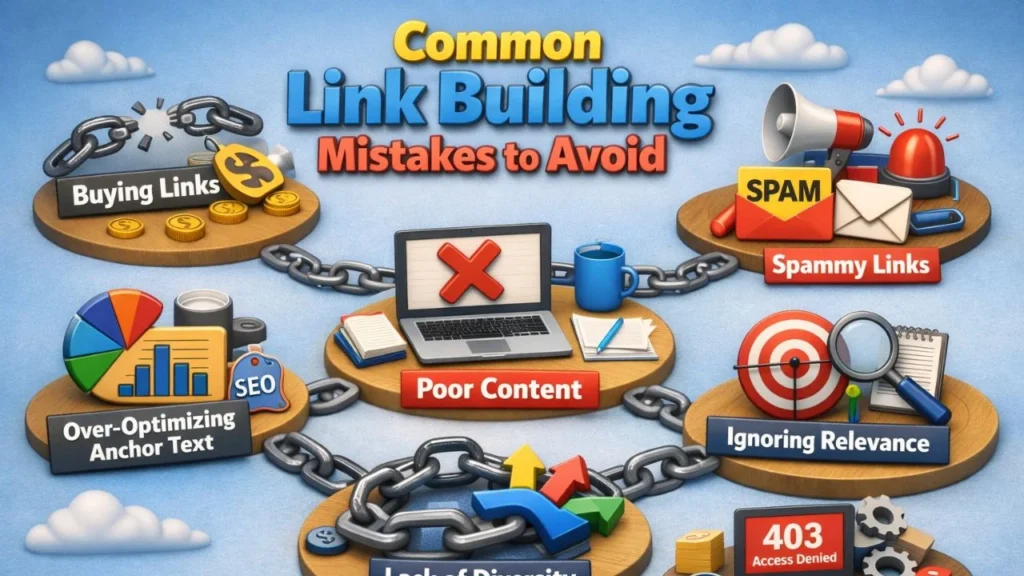
Despite the growing awareness around ethical SEO practices, some mistakes still occur frequently.
Excessive Link Exchanges
Overusing reciprocal links can signal manipulative behavior to search engines.
Irrelevant Backlinks
Links from unrelated websites may not contribute meaningful authority.
Low Quality Link Networks
Participating in artificial link networks can damage credibility.
Ignoring Backlink Audits
Regular audits help SEO professionals identify harmful links and maintain a healthy backlink profile.
Avoiding these mistakes helps protect long term search visibility.
The Future of Link Building
As search technology continues to evolve, the importance of trust and authority will likely increase. Artificial tactics such as excessive reciprocal links will continue losing influence, while genuine content quality will become more valuable.
In the future, successful SEO strategies will rely on several key principles:
- Creating helpful, authoritative content
- Using Answer Engine Optimization to provide clear responses
- Integrating Performance Marketing to increase brand visibility
- Encouraging organic mentions that help websites earn links
These approaches reflect the direction search engines are moving toward. Instead of trying to manipulate rankings through link exchanges, businesses should focus on delivering value that naturally attracts attention and credibility.
Conclusion
The SEO landscape is continuously evolving, and the way search engines evaluate backlinks is becoming more sophisticated. The growing tendency of Google to discount reciprocal links signals a clear shift toward authenticity and trust in link building practices. While reciprocal links once played a major role in improving rankings, relying heavily on them is no longer a sustainable strategy in modern SEO.For businesses and marketers, this change highlights the importance of focusing on quality rather than quantity. Instead of depending on large scale reciprocal links, websites should prioritize creating valuable content that naturally attracts attention and credibility. When content genuinely helps users, it becomes easier to earn links from reputable sources, which strengthens long term search visibility.
Frequently Asked Questions
What are reciprocal links in SEO?
Reciprocal links occur when two websites link to each other. While some exchanges happen naturally, large scale link trading designed to manipulate rankings may be ignored by search engines.
Does Google penalize reciprocal links?
Search engines do not always penalize them directly. However, they may discount reciprocal links that appear artificial or part of large link exchange network.
Should websites still exchange links?
Occasional mutual linking can occur naturally when content is relevant. However, relying heavily on reciprocal links as an SEO strategy is no longer effective.
How can websites earn links naturally?
Websites can earn links by publishing helpful content, answering common questions, sharing insights, and creating valuable resources that others want to reference.
Why is Answer Engine Optimization important?
Answer Engine Optimization helps content appear in AI driven search results and featured snippets, increasing visibility and credibility while helping websites earn links from authoritative sources.


