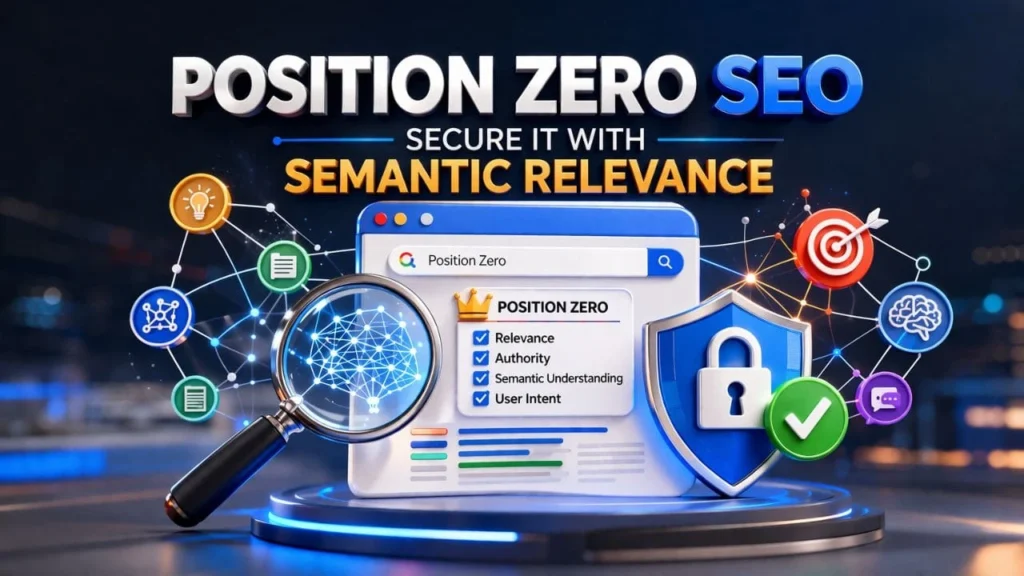
Search has changed more in the last few years than it did in the previous decade. Ranking first is no longer the ultimate goal. Instead, the real visibility lies in what appears above the traditional results—Position Zero.
If you’ve noticed quick answers appearing at the top of search results, those are not accidents. They are carefully selected responses designed to give users immediate value. This is where Position Zero SEO comes into play.
Today, users don’t just type queries. They speak, ask, and expect instant answers. Whether it’s through voice assistants, AI-powered search, or mobile queries, the need for concise and accurate responses has grown. That’s why modern seo services are focusing less on rankings alone and more on answer visibility.
Table of Contents
What is Position Zero SEO?
Position Zero SEO is the practice of structuring and optimizing your content so it gets displayed in the very top section of search results, often called the featured snippet or answer box. Instead of just ranking on the first page, your content is selected by search engines as the most relevant and direct answer to a user’s query, and it appears above all regular listings.
This position gives maximum visibility, higher click potential, and establishes your content as a trusted source because search engines highlight it as the best immediate answer.
In simple terms:
- It is the answer users see before they click anything
- It provides immediate information
- It increases visibility without requiring a click
Unlike traditional rankings, Position Zero is not just about authority. It is about clarity, structure, relevance, and featured snippet optimization.
Types of Position Zero Results:
- Paragraph snippets
- List snippets
- Table snippets
- AI-generated summaries
When done correctly, Position Zero SEO can bring more attention than even the top organic result.
How Search Engines Understand Content Today?
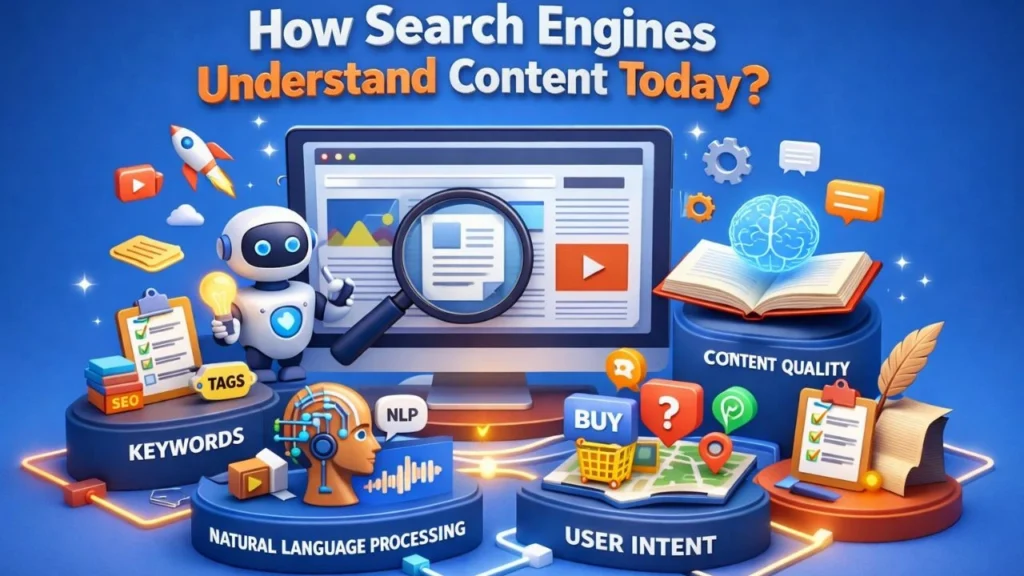
Search engines are no longer just matching keywords. They are understanding meaning, which is why Generative Engine Optimization is becoming increasingly important.
Earlier, repeating a keyword was enough. Now, search engines analyze:
- Context
- Intent
- Relationships between topics
- User behavior
This shift has made Semantic SEO essential. Instead of focusing on exact keywords, it focuses on meaning and connections.
For example, when someone searches a question, search engines try to understand:
- What the user really wants
- What type of answer fits best
- Which content provides the clearest response
This is why content that is well-structured and contextually rich performs better.
Semantic Relevance: The Core of Position Zero
To master Position Zero SEO, you need to focus on semantic relevance, which means understanding how search engines interpret the meaning and context behind content rather than just matching exact keywords. Instead of repeating a single keyword, your content should naturally cover related terms, concepts, and user intent so that search engines can recognize it as a complete and authoritative answer.
When your content aligns closely with what users are actually searching for and provides clear, well-structured information, it becomes more likely to be selected for featured snippets, also known as Position Zero.
Semantic relevance means:
- Covering a topic deeply
- Using related terms naturally
- Answering multiple connected questions
It is not about repeating a keyword. It is about building a complete understanding of a topic.
Why Semantic SEO Matters:
- It improves content clarity
- It increases topical authority
- It helps search engines trust your content
When your content answers not just one question but several related ones, it becomes more valuable. That’s exactly what search engines prioritize for Position Zero.
How Position Zero SEO Works in AI and Voice Search?
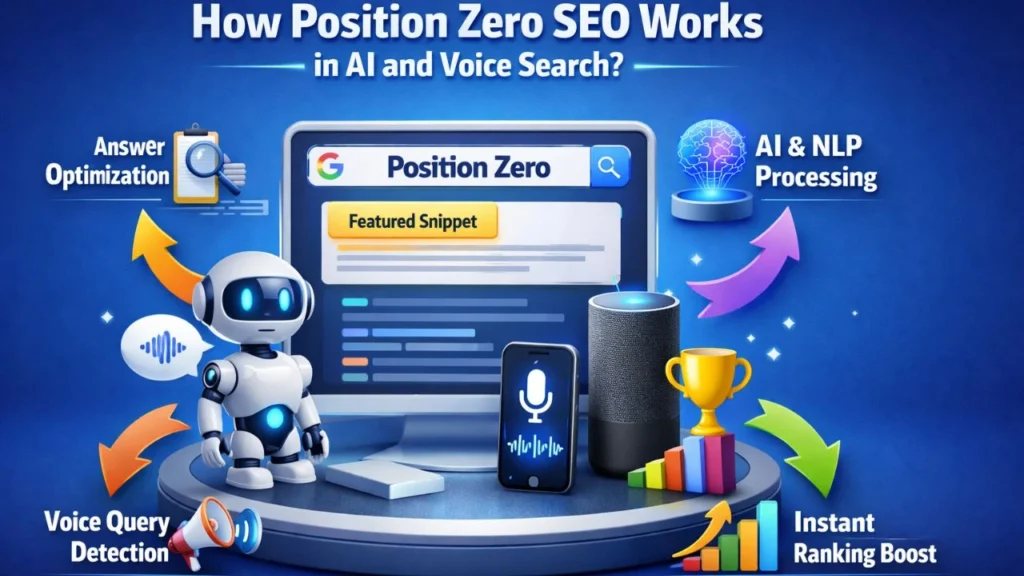
Voice search is growing rapidly. People now ask questions like:
- “What is Position Zero SEO?”
- “How can I rank in featured snippets?”
These queries demand direct answers.
To succeed in Position Zero SEO, your content must:
- Be conversational
- Answer questions directly
- Use simple language
Voice assistants prefer content that:
- Is easy to read aloud
- Contains short sentences
- Provides clear answers
AI-driven search systems also extract information differently. They look for structured, meaningful content. This is where semantic optimization becomes powerful.
Content Structure That Wins Position Zero
Structure plays a major role in achieving Position Zero.
Search engines prefer content that is:
- Organized
- Easy to scan
- Clearly formatted
Best Practices:
- Start with a direct answer
- Use bullet points
- Keep paragraphs short
- Use question-based headings
For example, if a user asks a question, your content should:
- Answer it immediately
- Provide additional explanation
- Expand with supporting details
Professional seo services often focus heavily on formatting because even great content can fail without proper structure.
Keyword Strategy for Semantic Dominance
A strong keyword strategy is still important, but it must be natural.
Your primary keyword, Position Zero SEO, should appear consistently but not forcefully. Maintaining a density of around 1% to 2% ensures balance.
Key Approach:
- Use variations of the keyword
- Add related phrases
- Focus on context instead of repetition
Instead of repeating the same phrase, expand your content with:
- Related concepts
- Supporting ideas
- User-focused explanations
This approach improves both readability and ranking potential.
Technical SEO Factors That Influence Position Zero
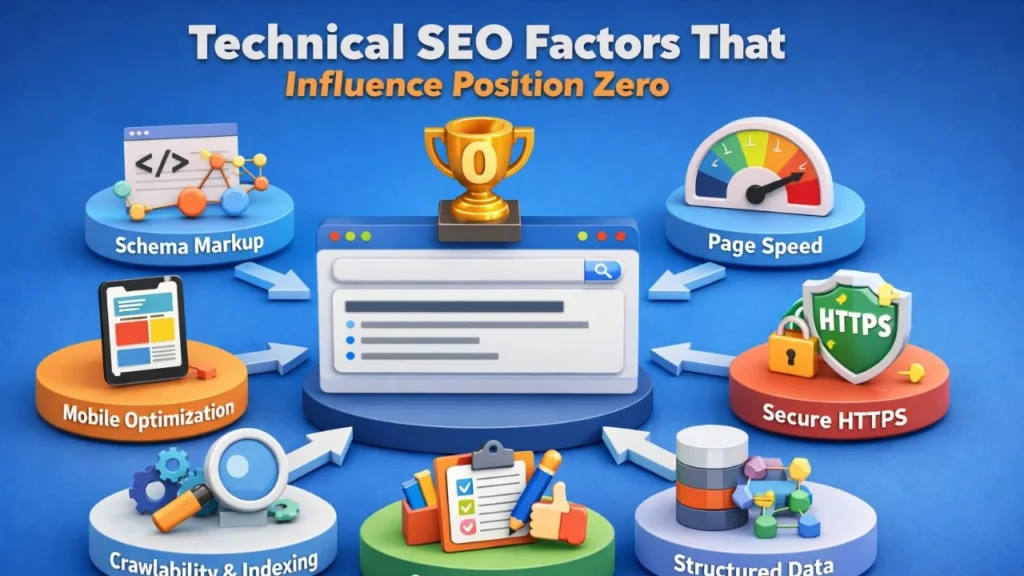
Content alone is not enough. Technical factors also play a crucial role.
Important Elements:
- Fast loading speed
- Mobile-friendly design
- Clean HTML structure
- Proper use of headings
- Schema markup
Structured data helps search engines understand your content better. It increases your chances of being selected for Position Zero.
Many advanced seo services prioritize technical optimization because even small improvements can impact visibility.
Content Formats That Perform Best
Certain formats are more likely to appear in Position Zero.
High-Performing Formats:
- Step-by-step guides
- Numbered lists
- Definitions
- FAQs
- Comparison content
These formats work because they are easy for search engines to extract and display.
For example:
- Lists are ideal for “top” queries
- Definitions work for “what is” queries
- Steps work for “how to” queries
Optimizing for User Intent and Search Behavior
Understanding user intent is critical.
There are three main types of intent:
- Informational
- Navigational
- Transactional
Position Zero SEO mainly focuses on informational intent. Users want quick answers.
To optimize effectively:
- Identify what users are asking
- Provide clear answers
- Expand with useful details
This is where Semantic SEO plays a key role. It helps decode intent and align content accordingly.
Common Mistakes That Prevent Position Zero Ranking
Many websites fail to achieve Position Zero because of avoidable mistakes.
Common Issues:
- Overusing keywords without context
- Writing long, unclear paragraphs
- Ignoring user intent
- Lack of structure
- Not optimizing for voice search
Another major mistake is creating content for search engines instead of users. The goal should always be clarity and usefulness.
Future of Position Zero SEO in AI-Driven Search
Search is becoming more intelligent.
AI-driven systems now generate summaries, answers, and recommendations. This means competition for visibility is increasing.
In the future:
- Content quality will matter more than ever
- Semantic depth will be essential
- Answer-focused content will dominate
Position Zero SEO will continue to evolve, but its core principle will remain the same—providing the best possible answer.
Actionable Steps to Secure Position Zero
If you want to improve your chances, start with these steps:
- Identify common user questions
- Provide clear and direct answers
- Use structured formatting
- Add relevant keywords naturally
- Improve content readability
- Optimize for mobile and speed
- Focus on semantic depth
Consistent improvement is key. You don’t need to rewrite everything at once. Start optimizing existing content.
Improve Your Rankings with a Semantic SEO Audit
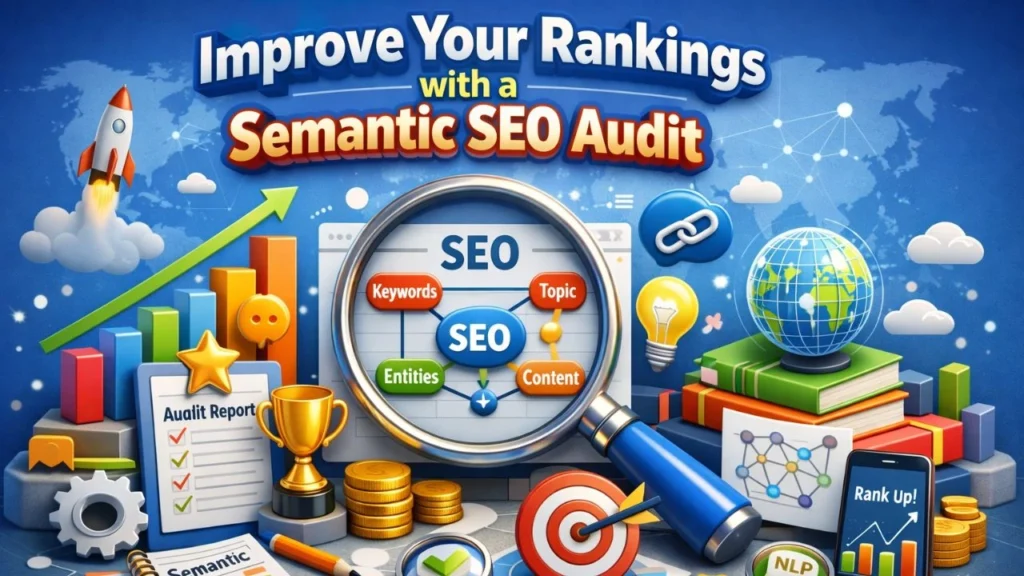
If you’re serious about improving visibility, a Semantic SEO audit can make a significant difference.
It helps you:
- Identify content gaps
- Improve topic coverage
- Enhance semantic relevance
- Align content with search intent
Without proper analysis, it’s difficult to understand what’s missing. A well-executed audit ensures your content is optimized for modern search behavior.
FAQs
What is Position Zero SEO?
It is the process of optimizing content to appear in featured snippets or answer boxes above traditional search results.
How can I rank in Position Zero?
You can rank by providing clear answers, using structured content, and focusing on semantic relevance.
Why is Semantic SEO important?
It helps search engines understand context and improves your chances of appearing in answer-based results.
Does Position Zero increase traffic?
Yes, it improves visibility and can increase both clicks and brand recognition.
How long does it take to achieve Position Zero?
It depends on competition, content quality, and optimization, but consistent efforts can show results over time.
What role do seo services play in Position Zero SEO?
They help optimize content structure, improve technical factors, and align strategies with modern search algorithms.
Final Thoughts
Achieving Position Zero is not about shortcuts. It requires a clear understanding of how search works today.
By focusing on Position Zero SEO, improving semantic relevance, and aligning your content with user intent, you can stay ahead in an increasingly competitive landscape.
The goal is simple—be the best answer.
When you achieve that, Position Zero follows naturally.