
Your brand is being judged long before a customer fills out a form, sends a message, or makes a purchase. People search your business name, read reviews, compare mentions, check social profiles, and form opinions within seconds. That is exactly why online reputation management strategies have become a core part of digital growth.
Today, online reputation management strategies are not just about handling criticism. They help you shape how your brand appears in search, how customers talk about you online, and how confidently people choose you over competitors. When done right, online reputation management strategies strengthen trust, support visibility, and help you win more qualified leads.
If you want sustainable growth, you cannot separate branding, reviews, search visibility, and customer perception. They all work together. Strong online reputation management strategies make your business easier to trust, easier to remember, and easier to choose.
Table of Contents
Why Online Reputation Matters More Than Ever?
Your reputation is now one of your most valuable digital assets. Whether you run an established company or an Online Marketing Business, people want proof before they take action. They want to know what others are saying, how you respond, and whether your brand feels reliable across every touchpoint.
That is where online reputation management becomes essential. It gives you a system to monitor, protect, and improve your digital image. Instead of letting search results, reviews, and random online mentions define your business, you take control with intentional online reputation management strategies.
Modern buyers do not look at one signal. They evaluate many.
They may:
- search your brand name
- read Google reviews
- check social media pages
- compare ratings with competitors
- scan your website for trust signals
- look at how you reply to complaints
This shift is one of the biggest digital marketing trends shaping how brands grow online. Customers do not just buy products or services. They buy confidence.
What Are Online Reputation Management Strategies?
In simple terms, online reputation management strategies are the actions you take to influence how your business is seen online. These strategies help you manage reviews, improve branded search results, strengthen positive sentiment, and reduce the impact of negative or outdated content.
Effective online reputation management strategies usually include:
- review monitoring and response
- branded search optimization
- customer feedback management
- social media engagement
- trust-building content creation
- crisis communication planning
- consistent brand messaging
- reputation analytics and reporting
The goal is not to hide reality. The goal is to create a more accurate, stronger, and more trustworthy digital presence. When you invest in online reputation management strategies, you are investing in long-term brand equity.
How Online Reputation Management Strategies Support Brand Growth?

Strong online reputation management strategies do much more than protect your name. They support real business outcomes.
1. They build trust faster
A positive reputation reduces hesitation. People feel more comfortable reaching out when they see good reviews, helpful responses, and a professional online presence.
2. They improve click through rates
If your brand appears credible in search, more people are likely to click. That means online reputation management strategies can indirectly improve the performance of your organic and branded search visibility.
3. They help Optimize Conversion Rates
Trust has a direct effect on action. When people feel safe and confident, they are more likely to contact you, buy from you, subscribe, or request a consultation. That is why brands often use online reputation management strategies to Optimize Conversion Rates.
4. They support brand recall
A brand that looks polished, responsive, and respected is easier to remember. Good reputation supports stronger recall across search engines, AI search tools, and voice search results.
5. They reduce the impact of negative sentiment
No brand is perfect. But online reputation management strategies help you respond quickly, professionally, and strategically, so one negative moment does not define your business.
Core Elements of Strong Online Reputation Management Strategies
If you want results, your online reputation management strategies should focus on the following core areas.
Review Monitoring and Response Management
Reviews shape public perception quickly. A strong reputation starts with listening. You need to know what customers are saying, where they are saying it, and how often they mention your brand.
This part of online reputation management strategies includes:
- tracking reviews across major platforms
- responding politely and quickly
- thanking happy customers
- addressing complaints without sounding defensive
- identifying recurring service issues
When you respond well, you do not just solve one issue. You show every future customer how your brand behaves.
Branded Search Result Optimization
When someone searches your business name, what do they see? That question is central to online reputation management strategies.
You should aim to strengthen:
- your homepage
- about page
- service pages
- review profiles
- business listings
- social profiles
- FAQ content
- press mentions
- thought leadership articles
The more high quality assets you control, the stronger your brand narrative becomes in search.
Social Proof and Content Authority
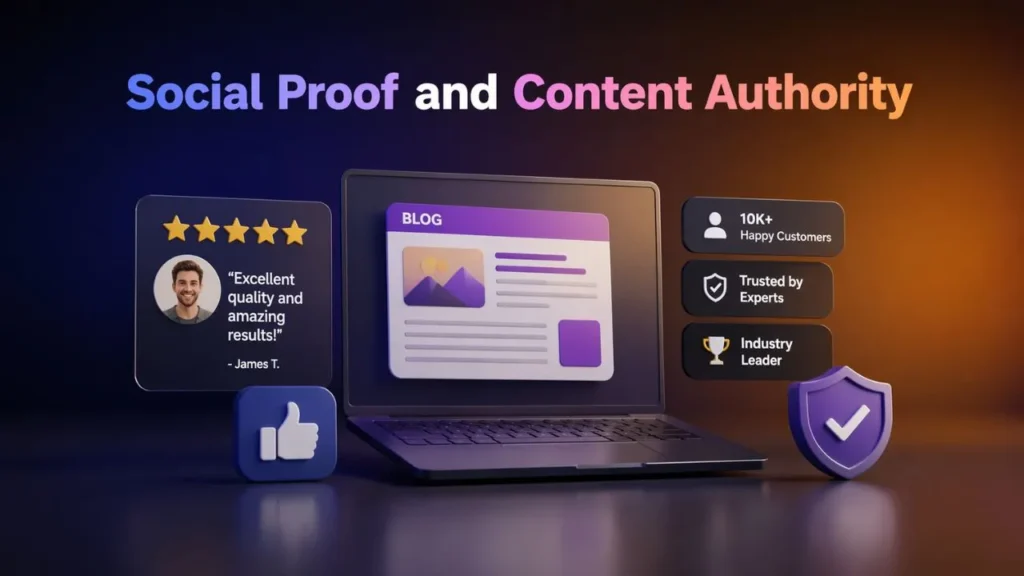
People trust proof. Testimonials, strong reviews, expert content, media mentions, and active social engagement all improve perception. This is where an SMM Agency can support your broader online reputation management strategies by helping your brand stay active, consistent, and credible on social platforms.
Crisis Response Planning
Reputation issues can escalate when brands respond late or emotionally. Smart online reputation management strategies include templates, escalation workflows, and clear response guidelines so your team can act fast when needed.
Trust Focused Content Creation
Helpful content builds reputation. Blog posts, FAQs, service pages, case-independent educational content, and brand pages can all strengthen online reputation management strategies when they answer real customer questions clearly.
Online Presence Analysis: The Foundation of Better Reputation
Before you improve anything, you need to understand your current position. That is why Online Presence Analysis is one of the most valuable starting points in online reputation management strategies.
A strong Online Presence Analysis helps you evaluate:
- branded search results
- review quality and frequency
- average ratings
- response rate
- social media consistency
- sentiment across platforms
- brand mention quality
- trust elements on your website
Without Online Presence Analysis, you may focus on the wrong problem. Maybe your reviews are good, but your website looks outdated. Maybe your site is strong, but your review response strategy is weak. Maybe your brand messaging differs across platforms. Online Presence Analysis helps you spot the gaps.
When businesses work with an Online Reputation Management Agency, one of the first steps is often a detailed Online Presence Analysis so decisions are based on evidence, not assumptions.
Reputation, Traffic, and Conversion Work Together
A lot of businesses focus only on traffic. But traffic alone is not enough. If your reputation is weak, traffic may not convert. That is why online reputation management strategies are so important for brands that want profitable growth.
Think about the journey from search to sale. A person may discover your brand through search, social media, AI-generated answers, or referral traffic. But before they contact you, they usually do a trust check. If that trust check fails, you lose the opportunity.
This is why online reputation management strategies support both visibility and revenue. They help:
- improve trust signals
- reduce friction
- support stronger user decisions
- Optimize Conversion Rates
- increase lead quality
For any Online Marketing Business, reputation is no longer optional. It is part of the conversion journey.
Performance Marketing vs Brand Marketing: Where Reputation Fits

The debate around Performance Marketing vs Brand Marketing often misses an important point. Reputation strengthens both.
Performance marketing focuses on immediate action. Brand marketing builds familiarity and trust over time. Online reputation management strategies connect the two.
If you run ads but your reviews are weak, your campaigns may struggle. If your brand awareness is growing but your digital reputation is inconsistent, people may still hesitate. That is why online reputation management strategies help make both performance and brand activity more effective.
In the discussion of Performance Marketing vs Brand Marketing, reputation sits at the center because it influences:
- how ads are perceived
- how branded searches perform
- how landing pages convert
- how repeat buyers feel about your business
So instead of choosing between Performance Marketing vs Brand Marketing, smart brands use online reputation management strategies to support both.
Why Many Brands Work with an ORM Services Agency?
Managing reputation takes time, consistency, and expertise. That is why many businesses choose to work with an ORM services agency.
A skilled ORM services agency can help you:
- audit your brand perception
- manage review workflows
- improve search visibility for branded terms
- develop better response templates
- monitor sentiment
- identify risk areas
- publish trust-building content
- align your reputation with business goals
An experienced Online Reputation Management Agency also helps you avoid reactive decision-making. Instead of fixing issues only after they become serious, you build a proactive system.
When choosing an ORM services agency, look for one that understands search visibility, messaging, review management, and customer trust. Reputation is not a one-channel task. It is a full digital strategy.
Request ORM Proposal
How an SMM Agency Supports Reputation Growth?
Social media has become one of the most visible reputation channels. A capable SMM Agency can support online reputation management strategies by making sure your brand stays active, credible, and responsive where people interact with you publicly.
A good SMM Agency helps with:
- consistent posting
- community engagement
- complaint handling
- brand tone management
- audience trust building
- stronger social proof
When your social presence feels neglected, people may assume the same about your service quality. That is why social channels should be part of your online reputation management strategies, not treated as a separate task.
Digital Transformation for Small Businesses Starts with Trust
A lot of brands talk about technology, automation, and scaling. But real Digital Transformation for Small Businesses starts with customer confidence.
You can adopt better tools, build a better website, and launch new campaigns, but if people do not trust your brand online, growth becomes harder. That is why online reputation management strategies are especially important in Digital Transformation for Small Businesses.
Small businesses can use online reputation management strategies to:
- build local trust faster
- compete with larger brands
- improve review visibility
- create a stronger first impression
- support more qualified leads
- build credibility without huge ad budgets
In many cases, reputation becomes the fastest way for smaller brands to stand out. For Digital Transformation for Small Businesses, trust is not a bonus. It is the foundation.
Practical Online Reputation Management Strategies You Can Start Using Today
If you want to improve your brand perception, these online reputation management strategies are a smart place to begin.
Audit your branded search results
Search your business name and review what appears on page one. This gives you a clear starting point for better online reputation management strategies.
Improve review response time
Reply to reviews consistently and professionally. Quick responses show that your brand listens.
Build a review generation process
Ask satisfied customers for reviews through ethical, simple workflows.
Publish trust building content
Create FAQs, service pages, educational blogs, and reputation-supporting content that answers questions clearly.
Strengthen website trust signals
Add testimonials, review snippets, contact details, business information, and clear calls to action.
Align your social profiles
Keep branding, messaging, and business details consistent across every platform.
Monitor brand mentions regularly
Use alerts and manual checks so your online reputation management strategies stay proactive.
Focus on pages that drive action
Use trust elements on landing pages to Optimize Conversion Rates.
Create response templates for sensitive issues
Prepared messaging makes it easier to protect your reputation during difficult moments.
Review your progress monthly
The best online reputation management strategies are not one-time tasks. They improve through regular measurement.
Common Mistakes That Weaken Reputation
Even strong brands make avoidable mistakes. Your online reputation management strategies will be more effective if you avoid the following:
- ignoring negative reviews
- using defensive language in public replies
- leaving old brand information online
- publishing inconsistent messages across platforms
- focusing only on ad campaigns
- failing to perform regular Online Presence Analysis
- treating social media and reputation as separate
- not using content to support trust
A reactive approach can damage long-term growth. Consistent online reputation management strategies help you stay in control.
How to Measure the Success of Online Reputation Management Strategies?
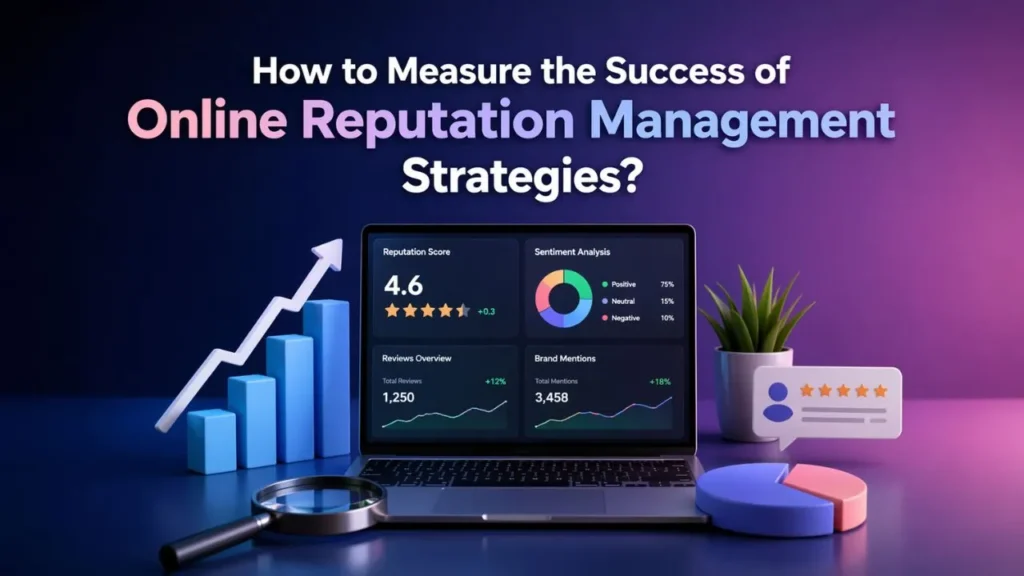
You cannot improve what you do not measure. To see whether your online reputation management strategies are working, track metrics that reflect both perception and performance.
Key indicators include:
- average review rating
- number of new reviews
- response rate and response time
- branded search visibility
- sentiment trend
- engagement on social platforms
- click through rate on branded searches
- lead quality
- conversion improvement
- customer retention signals
When you measure these consistently, your online reputation management strategies become more focused and more profitable.
Final Thoughts
Your brand reputation is shaping customer decisions every single day. Whether people discover you through search engines, AI summaries, social platforms, or voice queries, the impression they get matters.
That is why online reputation management strategies deserve a central place in your growth plan. They help you build trust, strengthen visibility, support conversions, and protect the value of your brand over time. When you combine online reputation management strategies with content, reviews, social proof, and consistent messaging, your business becomes easier to trust and easier to choose.
If you want stronger brand authority, better visibility, and more confident customers, now is the right time to act.
Frequently Asked Questions
What are online reputation management strategies?
Online reputation management strategies are the actions businesses take to improve how their brand appears across reviews, search results, social media, and online mentions. They help shape trust, support visibility, and strengthen customer confidence.
Why is online reputation management important for brands?
Online reputation management is important because people research brands before making decisions. A strong reputation improves trust, increases engagement, and supports better conversions.
How does an ORM services agency help businesses?
An ORM services agency helps businesses manage reviews, monitor sentiment, improve branded search results, create trust-building content, and respond more effectively to reputation issues.
What is Online Presence Analysis?
Online Presence Analysis is the process of reviewing how your brand appears across search engines, review platforms, directories, social media, and website assets. It helps identify gaps that affect trust and visibility.
Can a SMM Agency improve brand reputation?
Yes, an SMM Agency can support reputation by improving social consistency, managing engagement, responding to public comments, and building stronger brand trust through active communication.
How do online reputation management strategies help Optimize Conversion Rates?
When people trust your brand, they are more likely to take action. That is why online reputation management strategies help Optimize Conversion Rates by reducing hesitation and improving confidence.
Why is reputation important in Digital Transformation for Small Businesses?
In Digital Transformation for Small Businesses, trust helps smaller brands compete more effectively. A positive online reputation makes customers more likely to choose you, even in a crowded market.
What is the relationship between Performance Marketing vs Brand Marketing and reputation?
In Performance Marketing vs Brand Marketing, reputation supports both sides. It improves how campaigns perform now and how customers remember your brand later.
When should a business hire an Online Reputation Management Agency?
A business should consider an Online Reputation Management Agency when it needs expert support for reviews, branded search visibility, trust-focused content, crisis response, or long-term reputation growth.